
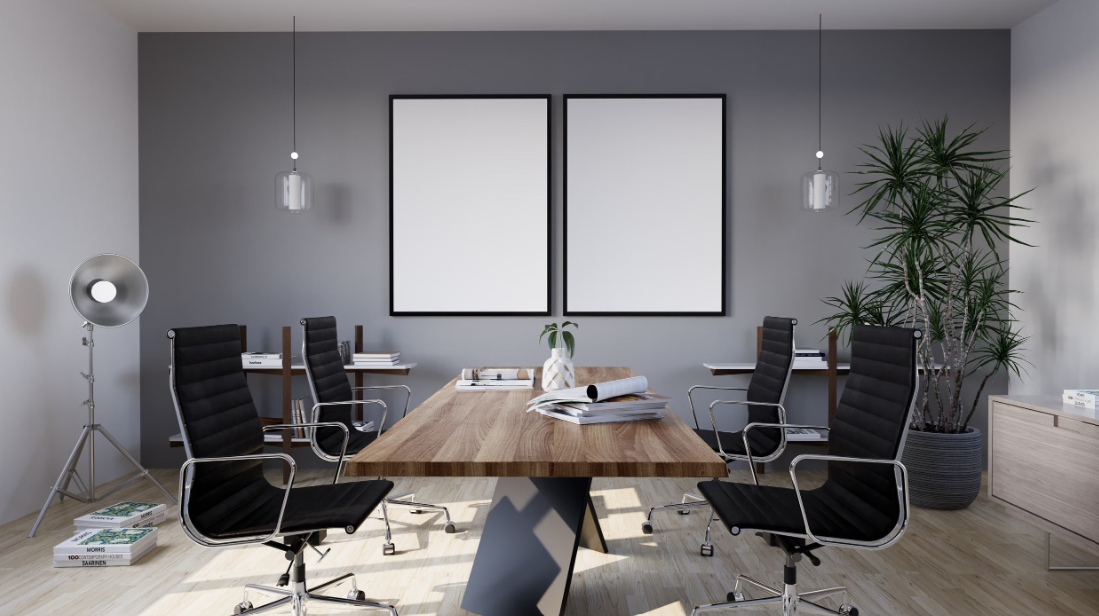
Drop ceiling, no windows, or windows that face a carpark. A whiteboard with someone else’s half-erased session still on it. Chairs arranged in rows or around a table so long that the people at the far end might as well be in a different meeting. The air is slightly stale. Someone’s phone is on silent but still vibrating every four minutes.
This is where many organisations ask their people to be creative then they wonder why the ideas are not exciting.
What Penang Taught Me About Creative Space
I recently ran a small creative retreat at Lone Pine, Batu Ferringhi and around Penang Island. The programme was loose by design. We drew in the hotel garden, by the pool, on the beach. We walked around George Town. We had coffee stops. We chatted without a fixed outcome in mind.
What I noticed was how quickly people settled into a different mode of thinking when in a new environment.
The garden provided solitude. The trees provided shade and something worth looking at. The beach was a few steps away in case we decided to dip our feet mid way of drawing. The hotel guests were there to rest and that quality of presence set the tone to my retreat guests. There was no pressure to produce something by a certain time and no one was waiting for a deliverable.
In that environment, my guests who had arrived convinced they could not be creative found that they could because the space gave them permission.
It is simply neuroscience.
What the Research Tells Us
Studies in environmental psychology consistently show that physical space shapes cognitive state. Natural light improves alertness and mood. Access to greenery reduces cortisol. Ambient sound, the kind you get in a garden or a quiet cafe, has been shown to enhance creative thinking compared to either dead silence or loud noise. Varied sensory input, different textures, smells, temperatures, keeps the brain engaged and associative rather than narrowed and defensive.
The open plan office was supposed to solve this. In most cases it created a different problem: sensory overload without sensory richness. Noise without nature. Visibility without openness.
Creative thinking needs an environment one that is stimulating but not overwhelming, open but not exposed, relaxed but not inert. A beach garden in Penang delivers this almost by accident. A standard meeting room almost never does.
What Leaders Can Actually Do
You do not need to relocate your office to a beachfront hotel but you can make deliberate choices about where and how creative work happens.
Take ideation sessions outside. A park, a hotel lobby, a rooftop, even a different floor of your building. The change of environment alone shifts the cognitive register.
Let natural light in. If your meeting rooms have windows, use them. If they do not, consider whether the most generative conversations should happen somewhere else.
Introduce sensory variety deliberately. Plants, a change of seating arrangement, background music at low volume, good coffee. These are conditions that set the tone.
Reduce the agenda for creative sessions. A tightly structured hour with six agenda items signals to the brain that this is an execution meeting, not an exploration. Give ideas room to breathe by giving the session room to breathe.
Change the furniture arrangement. Round tables or clusters of chairs signal collaboration. Long boardroom tables signal hierarchy and presentation. The furniture tells people what kind of thinking is expected before anyone has said a word.
Create threshold moments. In Penang, the walk along the beach was itself a transition. The body moved, the mind followed. Build transitions into your creative sessions: a short walk before you begin, five minutes of silence, a brief freewriting exercise. Signal to the brain that something different is about to be asked of it.
The Room Is Part of the Brief
When you brief a creative session, you think about the objectives, the questions, the participants, the time available but many leaders forget about the room.
The room is always communicating something. It is either telling people to perform, to defend, to conclude quickly and get back to their desks or it is telling them that there is space here, that thinking is welcome, that nothing has to be decided in the next forty-five minutes.
The organisations that will lead in the next decade are not just the ones with the best talent or the sharpest strategy. They are the ones that understand creativity is not a personality trait that some people have and others don’t. It is a capacity that either gets supported or suppressed by the environment around it.
Design the room accordingly.
A note worth keeping for another conversation: constraints can also be a creative force. Tight deadlines, limited budgets, fewer resources than you would like — these have sparked some of the most innovative solutions in business history.
The relationship between environment, freedom, and creativity is not simple but that is a conversation for another week.