
Malaysia has a stray animal problem. Estimates vary, but the numbers are significant. Hundreds of thousands of cats and dogs living on the streets, with shelters operating at or beyond capacity, dependent almost entirely on public donations and volunteer work to keep functioning.
And yet some of Malaysia’s most commercially successful pet brands have found a way to turn the everyday act of buying pet food into something that directly addresses this problem through the architecture of how they operate.
Pet Lovers Centre and the power of permanent infrastructure
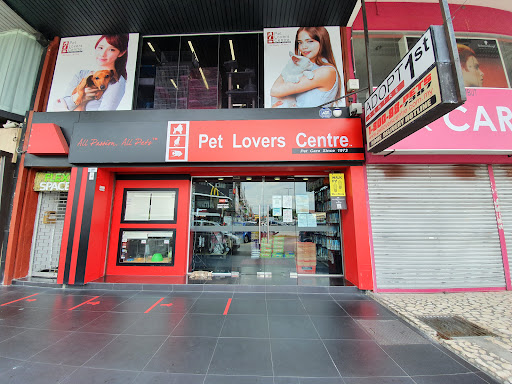
Pet Lovers Centre Malaysia has been running its Annual Pet Food Drive for several years, partnering with shelters including PAWS Animal Welfare Society, Save a Stray Animal Malaysia, and Cat Beach Sanctuary to collect donations of pet food across its retail network. What makes PLC’s approach particularly instructive is the permanent adoption centre it has maintained inside its SS2 outlet since 2014.
That single decision to allocate 125 square feet of commercial retail space permanently to animal adoption changes the nature of the relationship between the brand and its cause. It is no longer a campaign. It is infrastructure. Every customer who walks into that store is walking into a space where the brand’s values are physically present, not just printed on packaging or posted on social media.
The result is a cause marketing model that doesn’t require a special occasion to activate. It runs continuously, quietly, and credibly, building trust with every visit.
An interesting footnote on product innovation
In 2022, Pet World Malaysia announced a partnership with SPCA Selangor and Nutrition Technologies to develop dog food formulated from Black Soldier Fly Larvae protein, with the resulting kibbles donated to animal rescue centres.
Whether or not the programme has scaled since the announcement, the intent behind it is worth noting, a brand building shelter needs directly into its research and development process rather than treating welfare as a separate CSR activity. The cause becomes part of the product’s origin story, which changes everything about how authentically a brand can communicate its values.
What other Malaysian brands can learn from this
The pet industry’s approach to animal welfare cause marketing works because the alignment is obvious. A pet food brand supporting animal shelters makes immediate sense to every customer. There is no gap to explain, no complicated logic to follow. You buy the food, the shelter benefits. Simple.
Most industries have an equivalent alignment waiting to be found. A cleaning product brand whose sales support communities affected by water insecurity. A stationery company whose purchases fund literacy programmes. A food brand whose supply chain decisions support smallholder farmers. The question is never whether a cause connection exists, it is whether the brand is willing to build its operations around it rather than just gesturing towards it through annual campaigns.
The brands that get this right don’t treat cause marketing as a communications strategy. They treat it as a business decision, one that happens to generate extraordinary loyalty, word-of-mouth, and trust in the process.
The starting point
If you are a Malaysian brand trying to find your equivalent of the pet food drive or the adoption centre, the right question is not “what cause should we support?” It is “what problem exists in the world that our business is already positioned to address and are we willing to build something permanent around it?”
The answer to that question is worth more than any campaign.