
In March 2026, Iran announced that the Strait of Hormuz, the narrow waterway through which roughly a quarter of the world’s seaborne oil trade passes, was closed. Seven Malaysian ships were among those stranded, eventually permitted to pass only after diplomatic negotiations between Malaysia and Iran.
The energy headlines dominated but the quieter crisis was in the fertiliser supply. The Arabian Gulf accounts for at least 20 percent of all seaborne fertiliser exports, and the disruptions raised immediate concerns about tightening availability in import-dependent regions, with the potential to drive up global food production costs. The FAO warned that up to 1.5 to 3 million tons of fertiliser trade per month had been delayed, jeopardising agricultural productivity ahead of the planting season.
For Malaysia, a country highly dependent on imports for essential food items including onions, dairy, wheat flour, cooking oil, and beef, bells began to ring. In 2023, food imports rose to approximately USD 18 billion, a ten percent increase from the previous year. A chokepoint on the other side of the world had just made every plate of food in this country a little more expensive and a little less certain. Even the warungs (food stalls) raised their prices overnight.
The question Malaysian corporations should be asking right now is what they were doing about food security before the strait closed and what they intend to do after it reopens. (Truthfully, we’ve lost track of its opening and closings)
The Vulnerability Was Always There
The Hormuz crisis revealed Malaysia’s food security problem.
According to Malaysia’s Draft National Food Security Blueprint 2030, up to 20 to 50 percent of fruits and vegetables are already lost in the domestic supply chain due to improper packaging, storage, and transport conditions. The average age of Malaysian farmers is above 60. More than 103,000 hectares of agricultural land remain idle, mostly in Selangor and Pahang, due to fragmented land ownership and unresolved inheritance issues. Urban migration continues to pull the next generation away from the fields.
These are structural problems that fertiliser imports from the Gulf cannot solve and that a closed strait merely accelerates.
What urban farming and corporate food security investment offer is not a complete solution. It is a meaningful hedge, a way of building local food resilience into the social fabric of a city before the next crisis makes the absence of it undeniable.
What Corporate Investment in Food Security Actually Looks Like
The Malaysian government has already signalled the direction. Budget 2026 rebranded the existing Tax Incentive for Food Production Projects as the Tax Incentive for Food Security Projects, a signal that the government views this as a national resilience issue, not merely an agricultural one. Companies investing in new food security projects qualify for a 100 percent income tax exemption for ten years, with applications open through 2030. The incentive structure is there. What it needs is corporate partners willing to build alongside it.
There are several ways corporations can show up meaningfully in this space.
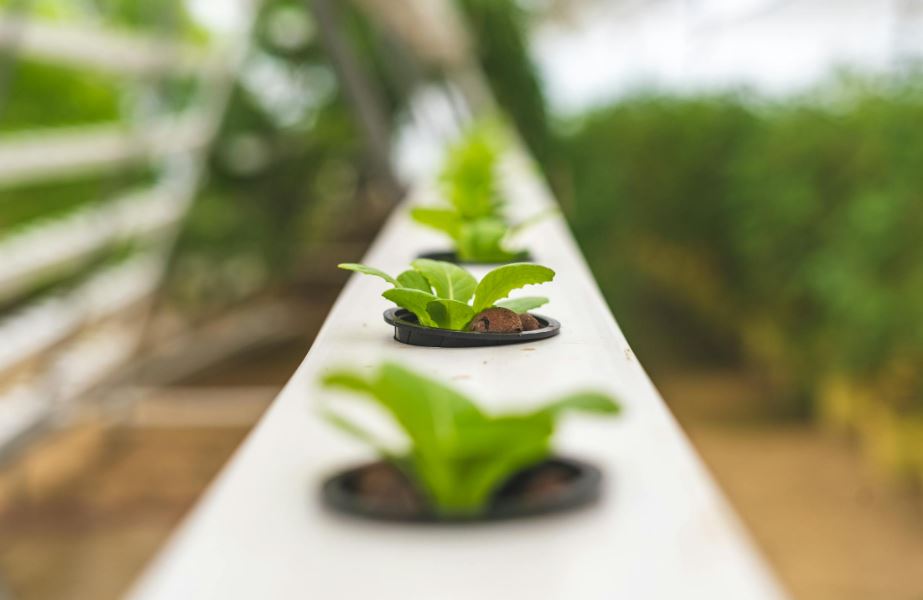
Sponsoring urban farm infrastructure in underserved communities for example rooftop gardens, community plots, hydroponic systems in low-cost housing areas puts food production closer to the people who need it most. Urban farming models that produce fresh produce directly in cities reduce dependence on imports, strengthen local supply chains, and make food systems more resilient to global shocks. A company that funds this infrastructure in the neighbourhood where its factory or office sits is investing in the stability of its own operating environment.
Partnering with agri-tech startups working on vertical and precision farming is another avenue. Malaysia’s urban hubs are already seeing growing investment in hydroponics, aeroponics, and vertical farm systems. Corporate partnerships through procurement commitments, co-investment, employee volunteering programmes gives early-stage operators the stability they need to scale.
Finally, companies can invest in food literacy and agricultural education in schools near their operations. The long-term food security problem in Malaysia is partly a pipeline problem, a generation that has moved to cities and lost the knowledge and appetite for growing food. Reversing that requires planting the idea early.
Who Is Already Doing This
The question for Malaysian corporations is not whether this model works. It is whether they intend to be part of it.
Locally, Khazanah Nasional has already pointed the way. In 2023, Khazanah launched the Khazanah Impact Innovation Challenge with the theme “Tackling the Climate Challenge for Malaysia’s Food Security,” offering grants of up to RM500,000 and potential follow-on investments to startups and MSMEs with scalable, measurable solutions in food security and climate resilience. The signal was clear: Malaysia’s largest sovereign wealth fund views food security not as a government problem but as an investable, solvable challenge that requires private sector participation. For other Malaysian corporations, particularly those with large employee bases and community footprints, the same thinking applies.
Internationally, the IKEA Foundation offers a model worth studying. Rather than one-off donations, the Foundation committed USD 3.5 million to a multi-year partnership with the FAO and UNHCR to help 17,000 refugees and host community residents in Kenya and Uganda earn a reliable income through regenerative farming, linking them directly to local food companies that needed a reliable supply base. The programme not only fed people, it connected production to market, built supply chains, and created long-term economic independence. That is the difference between a charitable gesture and a structural investment in food resilience.
Neither of these programmes happened in a single financial year. Both required a decision to commit before the headlines made it obvious.
The Cause Marketing Argument
Beyond the strategic case, there is a brand equity argument that Malaysian corporations should consider carefully.
Food security is a universal concern as it touches every household, every family, every income level. A company that builds a genuine, long-term relationship with food sovereignty in Malaysia is associating its brand with something that is both practically important and emotionally resonant in a way that most CSR causes are not.
The Hormuz crisis gave Malaysians a brief, uncomfortable glimpse of what food insecurity actually feels like. That feeling does not disappear when the strait reopens. Corporations that respond to that moment with something structural for example a community farm, a multi-year partnership with an urban agriculture organisation, or an investment in local food supply chains will build trust that a press release cannot.
The window to lead on this is open. It will not stay open indefinitely.