
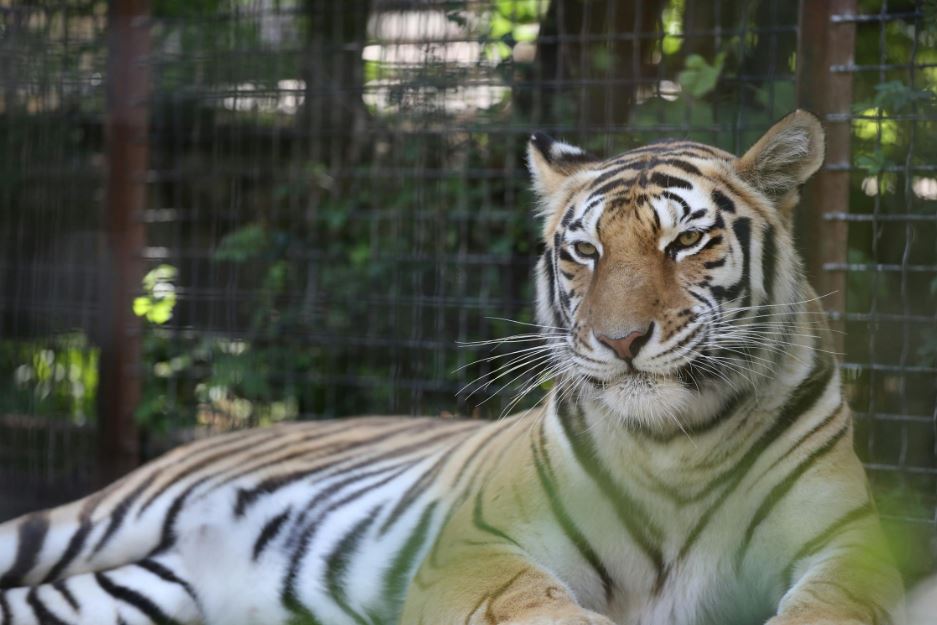
Last week, there was news about a visibly underweight tiger, pacing slowly in an enclosure in an international zoo outside of Malaysia. Ribs visible. Hip bones prominent. A video clip spread rapidly across Threads and social media, and Malaysians were outraged, demanding answers, signing petitions, calling for animals to be brought home.
The outrage was real and it was right but where was the concern before the video went viral?
The animals were always there. The welfare issues didn’t begin when someone pointed a phone at a cage. The organisations have always been working on their own to rehabilitate, protect, and advocate for wildlife. The sanctuaries, the rescue centres, the conservation NGOs have been doing that work last month, last year, and the year before that. Without headlines. Without petitions. Often without enough funding to do it properly.
This is the cause marketing problem that Malaysian corporations need to sit with.
Reactive Giving Is Not a Strategy
When a story goes viral, corporate donations tend to follow. A wildlife crisis trends on Twitter and suddenly a company’s CSR budget finds an animal welfare component it didn’t have the week before. A petition hits 87,000 signatures and a brand rushes to signal that it cares.
Consumers and employees are increasingly sophisticated about the difference between a company that has built a genuine, long-term relationship with a cause and one that shows up when the cameras do. The former builds trust. The latter, at best, generates a news cycle. At worst, it reads as opportunism, and audiences say so.
What the Wildlife Sector Actually Needs
The conversation about animal welfare in Malaysia is evolving, and it is worth paying attention to where it is going. Public sentiment is shifting, not just toward better conditions within zoos, but toward a broader rethinking of what ethical wildlife support looks like.
Sanctuaries, in-situ conservation programmes, and habitat protection are drawing increasing attention as more meaningful long-term approaches.
Organisations like WWF-Malaysia, the Malaysia Nature Society, and the Borneo Sun Bear Conservation Centre do not operate on viral moments. They operate on consistent, multi-year funding that covers the unglamorous realities of conservation work: veterinary care, keeper salaries, habitat restoration, community engagement.
The daily operations of wildlife sanctuaries include food and medical supplies for rescued animals, as well as materials for forest and coral restoration, costs that are ongoing.
The Malaysian Palm Oil Green Conservation Foundation has mobilised more than RM40 million in capital to assist NGOs in funding wildlife conservation activities through an ongoing structure of partnerships. That is the model worth studying, regardless of industry. Mpogcf
For corporations thinking about where to put their cause marketing investment, wildlife welfare offers something genuinely valuable. A cause that is emotionally resonant, visually compelling, and connected to questions of national identity and environmental legacy that Malaysians increasingly care about. But it only works as long-term commitment, not crisis response.
Three Ways Corporates Can Show Up Meaningfully
The most effective corporate wildlife partnerships tend to share a few things in common.
They choose specificity over breadth. A company that funds a dedicated programme at one sanctuary for example- keeper training, animal enrichment, veterinary equipment – builds a more credible story than one that scatters small donations across five different causes. Specificity signals genuine interest. It also gives the partner organisation something substantial to work with.
They build in employee engagement. Wildlife conservation lends itself naturally to meaningful team experiences for example habitat restoration days, educational visits, fundraising challenges that connect staff to the cause in a way that a cheque-writing exercise never does.
Organisations like APE Malaysia embed corporate programmes directly within conservation project sites, designing experiences that benefit the environment, wildlife, and local communities simultaneously. This is cause marketing that also does something for the team. APE Malaysia
They commit to time, not just money. A three-year partnership tells a different story than an annual donation. It tells the conservation organisation that they can plan around the support. It tells the public that the company’s interest is structural, not seasonal and it gives the brand a genuine narrative to build over time, one that is earned rather than purchased.
The Shift Already Happening
The public conversation sparked by recent events is not going to disappear quietly. Malaysians are asking harder questions about animal welfare, about the ethics of wildlife in captivity, about what it means for a country rich in biodiversity to take that responsibility seriously.
Corporations that position themselves thoughtfully within that conversation now through genuine, sustained, well-chosen partnerships will be ahead of a shift that is already underway. Those that wait for the next viral video to prompt a donation will always be behind it.