
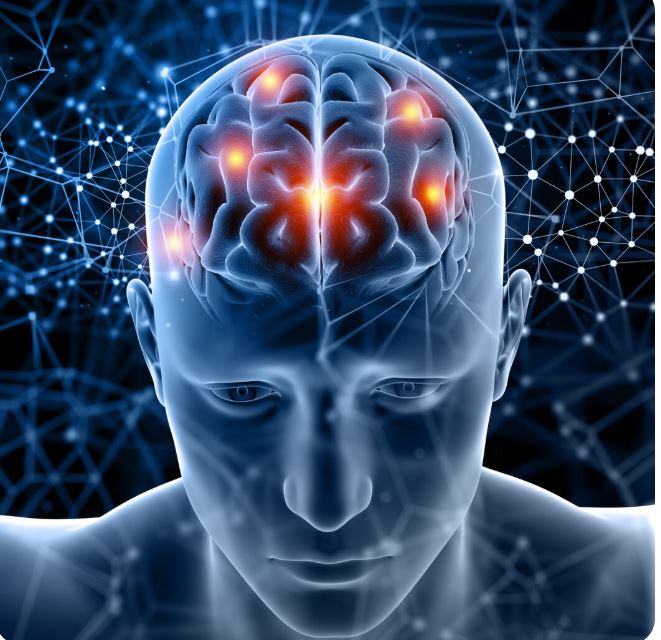
Most performance challenges at work aren’t character flaws.
They’re nervous system patterns.
When someone procrastinates, reacts defensively, struggles to focus, or feels constantly tired, it’s often biology at play.
Understanding the brain doesn’t remove responsibility. But it improves how we design performance.
The Brain Is Less Like a Computer, More Like a Car
In simple terms, we operate like a car system. Here are the characters running the car (nicknamed, of course)
-
Amygdala (Amy) = the car alarm
-
Prefrontal cortex (Leo) = the driver
-
Dopamine system (Dan) = the fuel pedal
-
Cortisol (Cara) = the turbo boost
-
Hypothalamus (Hazel) = the engine management system
-
Vagus nerve (Vera) = the brake system
-
Pineal gland (Pearl) = the headlights + night mode
-
Hippocampus (Harry) = the GPS memory
-
Insula (Ivy) = the dashboard sensors
If the alarm keeps blaring…
If the engine overheats…
If the brakes don’t work…
If the driver is exhausted…
The problem isn’t the car’s “attitude.”
It’s system imbalance.
Workplaces often try to motivate the driver while ignoring the engine.
Let’s look at each part.
1️⃣ Amy the Alarm (Amygdala) – The Car Alarm
This system scans for threat.
Not just physical danger but:
-
Public criticism
-
Social rejection
-
Status loss
-
Uncertainty
When it activates:
-
Heart rate rises
-
Thinking narrows
-
Reaction replaces reasoning
If the car alarm goes off every time someone walks past, the driver can’t focus on the road.
In teams, this looks like:
-
Defensiveness
-
Silence in meetings
-
Overreactions
Psychological safety keeps the alarm from constantly triggering.
2️⃣ Leo the Leader (Prefrontal Cortex) – The Driver
This is executive control:
-
Planning
-
Strategy
-
Decision-making
-
Impulse control
But the driver can’t steer properly if:
-
The alarm is blaring
-
The fuel system is erratic
-
The engine is overheating
Under stress, the driver loses control. That’s when intelligent professionals act impulsively.
Clear priorities and reduced overload keep the driver steady.
3️⃣ Dopamine Dan (Reward System) – The Accelerator
Dopamine pushes action.
It responds strongly to:
-
Notifications
-
Quick wins
-
Sugar
-
Immediate rewards
If you slam the accelerator constantly, you burn fuel fast.
Modern workplaces overstimulate short-term reward loops.
The result: busy, but not productive.
Structured milestones and delayed rewards create steady forward movement.
4️⃣ Cortisol Cara – The Turbo Boost
Cortisol gives short-term survival energy.
In emergencies, it’s useful.
But if the turbo is always engaged:
-
The engine overheats
-
Components wear down
-
Performance drops
Chronic stress without recovery leads to brain fog and poor decisions.
High performance requires stress cycling not permanent acceleration.
5️⃣ Hypothalamus Hazel – The Engine Management System
This system regulates:
-
Hunger
-
Temperature
-
Hormones
-
Stress activation
If it’s dysregulated:
-
Sleep disrupts
-
Mood shifts
-
Energy crashes
You can’t expect smooth performance if the engine is misfiring.
Stable routines and regular rhythms support this system.
6️⃣ Vera the Regulator (Vagus Nerve) – The Brakes
The vagus nerve helps the body shift into calm.
Without functioning brakes:
-
You stay in fight-or-flight
-
Small issues feel urgent
-
Recovery slows
Breathing practices, humming, and recovery breaks strengthen braking capacity.
Resilience is brake strength.
7️⃣ Pineal Pearl – The Headlights & Night Mode
The pineal gland regulates melatonin and sleep cycles.
Poor sleep:
-
Weakens memory
-
Reduces focus
-
Increases emotional reactivity
If headlights fail at night, the driver strains more to see clearly.
Cognitive clarity starts the night before.
8️⃣ Hippocampus Harry – The GPS
This system stores memory and helps learning.
Chronic stress weakens it.
Sleep and repetition strengthen it.
If the GPS keeps glitching, you repeat mistakes.
Learning requires rest.
9️⃣ Insula Ivy – The Dashboard Sensors
The insula reads body signals:
-
Hunger
-
Tension
-
Fatigue
-
Emotional discomfort
If the dashboard warning lights are ignored:
-
The engine eventually fails
Burnout often begins with ignored signals.
Self-awareness is noticing the dashboard before something breaks.
What This Means at Work
When performance drops, we often blame the driver.
But:
-
The alarm may be triggered.
-
The brakes may be weak.
-
The engine may be overheated.
-
The headlights may be dim.
-
The fuel system may be hijacked.
Behavior is a systems outcome.
High-performing organizations don’t just demand better driving.
They design environments that:
-
Reduce false alarms
-
Protect cognitive capacity
-
Allow recovery cycles
-
Structure meaningful rewards
-
Respect biological limits
When the system is balanced, performance becomes sustainable.
And leadership becomes more intelligent.