
Long before corporate wellness programs, schools already understood something important.
We had physical education, sports days, outdoor play, and recreational activities built into the school week, not as rewards, but as part of how humans learn, regulate emotions, and stay mentally fit.
There is science behind this.
Movement, exposure to nature, and shared physical activity support:
-
Cognitive development
-
Emotional regulation
-
Social bonding
-
Focus and learning retention
As adults, we don’t suddenly outgrow these needs. We simply remove the structures that supported them.
The Science Didn’t Disappear. We Did
Behavioral science, learning science, and organizational psychology consistently show that:
-
Physical activity improves executive function, memory, and mood
-
Nature reduces stress hormones and mental fatigue
-
Shared movement strengthens trust and cooperation
Yet in most workplaces, the body is treated as an inconvenience to productivity rather than a foundation for it.
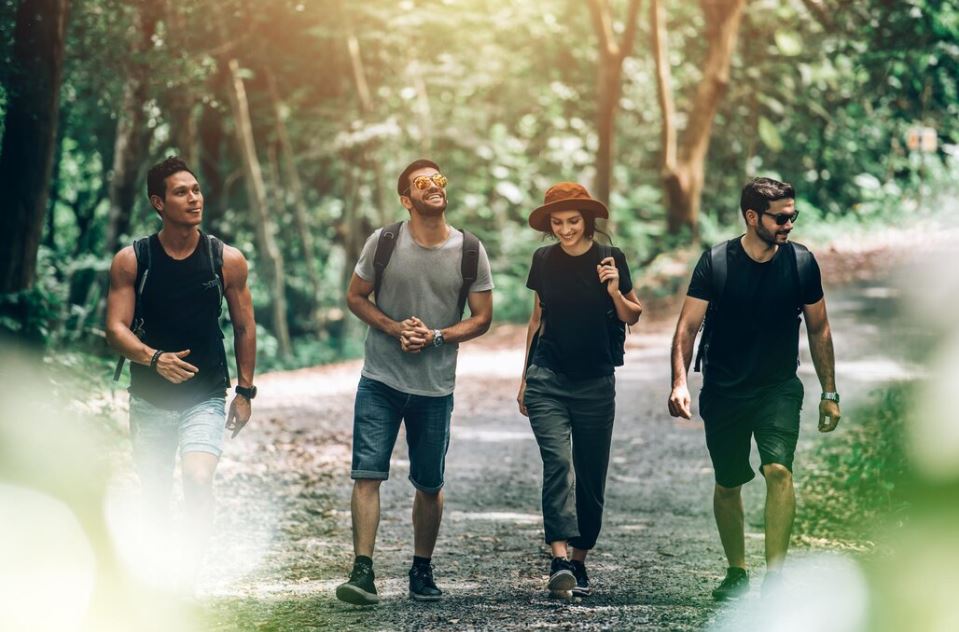
Outdoor team building works because it quietly reintroduces what school once provided: structured, socially supported movement that keeps both body and mind f
Why Nature Changes Team Dynamics
When teams step outside:
-
Hierarchies soften
-
Conversations become more human
-
Attention shifts from screens to surroundings
-
People engage with each other more naturally
Nature creates psychological distance from daily pressures, allowing people to reset, reflect, and reconnect with themselves and with one another.
This isn’t about adventure or adrenaline. It’s about restoring mental bandwidth and relational safety.
A Case for Weekly Movement, Not Just Annual Retreats
While offsites and retreats are powerful, organizations don’t need to wait for once-a-year events to see benefits.
A growing body of research supports regular, moderate, shared physical activity as more effective for long-term wellbeing and collaboration than sporadic interventions.
A Practical Model Organizations Can Adopt
-
Allocate one hour per week for movement-based or outdoor activity
-
Employees participate in rotational groups, so operations continue smoothly
-
Activities can include: Nature walks, Light sports or recreational games, stretching, mobility, or guided outdoor reflection
-
Participation is encouraged, not forced
This mirrors how schools rotate physical education classes ensuring continuity without disruption.
Why Rotation Matters
-
Work continues uninterrupted
-
Teams interact across functions and departments
-
Energy and focus return to work, not away from it
Rather than “time off work,” it becomes time that improves work.
Encouraging Participation Through Smart Rewards
Behavioral science tells us that habits form more easily when effort is acknowledged.
A simple reward system can:
-
Recognize consistent participation
-
Encourage team-based engagement rather than individual competition
-
Reinforce the idea that wellbeing is a shared responsibility
Rewards don’t need to be extravagant. Recognition, team privileges, or symbolic incentives are often enough to build momentum.
The goal isn’t to gamify health. It’s to normalize movement as part of working life.
Outdoor Team Building as Cultural Infrastructure
Nature-based team activities aren’t about escape.
They are about:
-
Sustaining energy
-
Supporting mental health
-
Building trust through shared experiences
-
Designing environments where people can thrive together
Just as schools understood the importance of balancing learning with movement, organizations now have the opportunity and responsibility to do the same.
Not as a perk. But as part of how work is designed.