
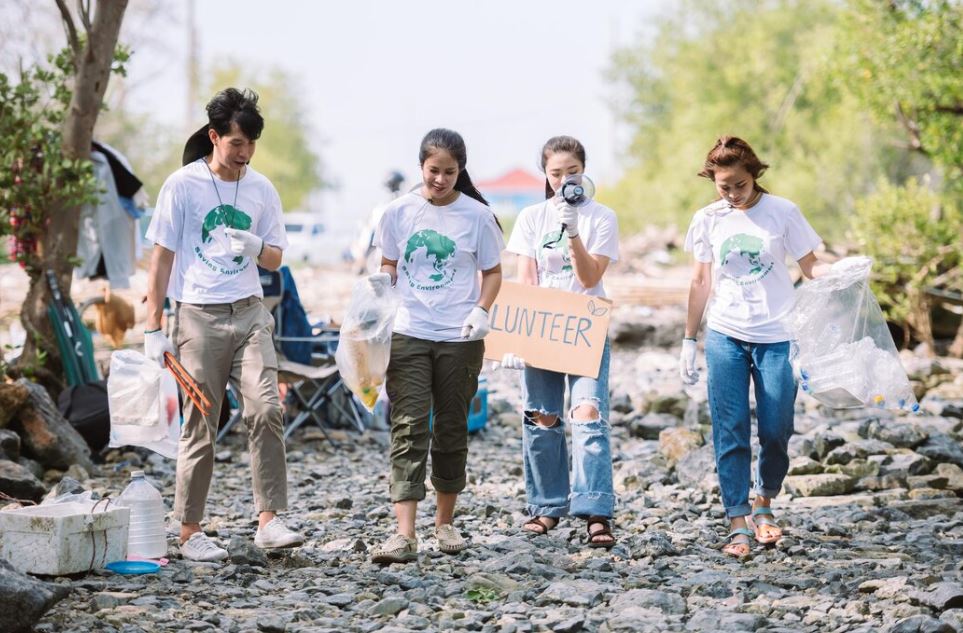
There is usually a sincere intention behind one-off CSR initiatives.
A team spends a day volunteering.
A company donates resources.
Photos are taken. Reports are written.
Everyone returns to work the next day.
And yet, something feels off. Incomplete.
Over time, I’ve noticed a pattern:
when CSR is designed as a single event, it often creates movement, but not momentum.
The Quiet Discomfort Leaders Don’t Always Name
Many founders and senior leaders feel a subtle unease after these initiatives.
They don’t regret doing them.
But they also don’t feel changed by them.
There’s a sense that something meaningful should have happened to the team, to the community, to the organisation but didn’t quite land.
This isn’t because people don’t care.
It’s because impact needs continuity, and most one-off efforts are not designed for that.
What Teams Experience
For teams, one-day CSR activities often sit outside their normal rhythm.
They step into a different environment, do something generous, then step back out again.
There’s little space to connect the experience to how they work, lead, or make decisions.
As a result:
-
the day feels “nice” but separate
-
learning remains abstract
-
the emotional impact fades quickly
Teams don’t resist CSR they simply don’t know where it fits.
What Communities Experience
Communities, on the other hand, experience something else entirely.
They are visited.
They are supported.
They are appreciated briefly.
But without continuity, there is no relationship to grow into.
This can unintentionally create a sense of imbalance:
-
businesses arrive with resources and timelines
-
communities receive help, but not partnership
-
everyone is polite, but no shared future is imagined
Good intentions alone are not enough to create trust.
Why Leaders Get Stuck Here
Most leaders sense this gap, even if they don’t articulate it.
They hesitate because:
-
they don’t want to overstep
-
they don’t want to “do CSR wrong”
-
they worry about optics, expectations, or sustainability
So they default to what feels safe: one-off initiatives.
But safety often comes at the cost of depth.
What Changes When CSR Is Designed for the Long Term
When CSR is approached as a longer relationship, something shifts.
Not immediately but meaningfully.
-
Teams begin to see how their work connects to the world outside the organisation
-
Leaders gain clarity about what kind of responsibility they are willing to carry
-
Communities stop being recipients and start becoming collaborators
This doesn’t require grand gestures.
It requires thoughtful design, patience, and intention.
And this is where many organisations quietly realise they need support not to execute, but to think.
A Different Way to Look at Impact
Long-term CSR is not about doing more.
It’s about choosing:
-
what to stay committed to
-
who to grow with
-
and how responsibility shows up over time
When done well, it supports ESG goals naturally not as compliance, but as consequence.
And when done thoughtfully, it leaves people changed on both sides.
A Closing Reflection
I’ve learned that the most meaningful CSR efforts don’t announce themselves loudly.
They grow quietly, shaped by consistency, care, and human understanding.
They are less about activity and more about relationship.
And that, more than anything, is what sustains impact.